
Technical article
Which Planetary Ball Mill Setup Is Suitable for Tungsten Carbide Powder?
Planetary ball mill, jar and media selection for tungsten carbide powder, including contamination control, sealing and scale-up checks.
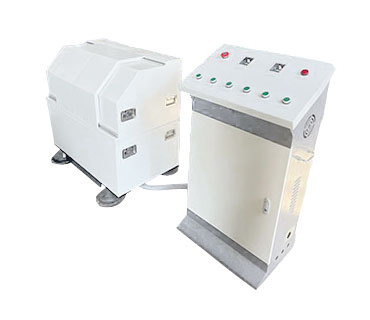
Tungsten carbide (WC) powder is dense, hard and abrasive, and it is used in cutting tools, wear parts, dies and other cemented-carbide products. When a development team asks which planetary ball mill is suitable for WC powder, the practical question is not which model is best in isolation. It is which combination of mill architecture, jar lining, grinding media, sealing, cleaning and scale-up logic matches the process stage and the contamination window. This is an application-selection discussion, not a customer case study or a third-party ranking.
A WC powder project can be derailed by a mill that is mechanically capable but chemically wrong for the lot. It can also be delayed by a contact-material choice that looks wear-resistant on paper but introduces an element the specification does not allow. The useful starting point is therefore a short process brief, followed by a documented trial. The discussion below follows that order: need, material behaviour, selection criteria, a documented TENCAN configuration, and the checks that should precede a purchase order.
Start With the Job the Powder Must Do
Before comparing mills, define the process stage. Is the goal to deagglomerate a received WC powder, to reduce particle size, to mix WC with a binder or additive, or to prepare a slurry for spray drying? Each job places a different weight on energy input, contamination control, heat removal and discharge. A mill selected for one job may be a poor match for another even if both involve tungsten carbide.
Write down the feed state: dry powder, granulated powder, slurry or pressed material. Record the target particle-size distribution and the method by which it will be measured. State the chemistry limits that matter, including elements that may come from media or jar wear. Define batch size, campaign length, acceptable changeover time and whether the line must run continuously or in campaigns. Add the atmosphere, temperature and cleaning requirements, then note the downstream step, because a milling route that produces a slurry must fit the drying or granulation equipment that follows.
This brief prevents a common error: comparing a continuous production platform with a small laboratory batch mill as if they were interchangeable. They are different process architectures. A continuous planetary mill can be a strong fit for a stable recipe that benefits from steady feed and discharge, but it demands a representative feed, a defined residence-time logic and a cleaning strategy. A batch mill may be more convenient for frequently changing recipes or small exploratory lots. The correct answer depends on the duty, not on the label on the machine.
Why Tungsten Carbide Powder Is a Demanding Mill Feed
Tungsten carbide powder is abrasive and has a high density relative to many oxide powders. Those properties affect media selection, jar wear and the energy required to move the charge. They also make wear monitoring important. A worn jar or ball does not simply lose performance; it sends material into the product. The resulting contamination may be visible in chemistry data only after a full lot has been processed, which is why contact-material selection and wear inspection belong in the selection process, not in post-purchase troubleshooting.
Fine carbide and metal powders also require handling controls appropriate to their SDS and to the facility’s dust and safety procedures. This article does not set exposure limits or prescribe a safety programme. It does, however, treat containment, lid integrity and cleaning as engineering requirements. A jar that is convenient to open but difficult to seal, or a mill that is easy to load but hard to clean, will create problems that no motor specification can solve.
Heat is another material-led issue. Milling energy ultimately becomes heat in the jar, the media and the powder. The temperature rise depends on the mill, the charge, the duty cycle and the cooling available. For a heat-sensitive formulation, or for a long continuous run, temperature should be measured during the trial rather than assumed from a data sheet. The same applies to oxygen and moisture: if the powder or slurry is sensitive to either, the jar and lid system must be reviewed as a sealed system, with the supplier confirming the relevant limits.
Batch or Continuous? Select the Process Architecture First
Continuous operation is attractive when the recipe is stable and the downstream process can accept a steady stream. It can reduce manual handling between batches and make residence time a controlled variable. The cost of that architecture is that feed preparation, start-up, shutdown and cleaning must be designed. A continuous planetary mill also needs a clear answer to a simple question: how will the first material through the line be separated from the last, and how will the line be verified clean before the next campaign?
Batch operation is easier to isolate and easier to change. It suits small lots, frequent formulation changes and early-stage development. Its limitations appear when a project moves to a larger, more repetitive duty, because the labour and handling per kilogram can become the constraint. Rather than treating batch and continuous as rivals, use the process brief to decide which one matches the current stage and the next stage. If the project is likely to scale, ask each supplier how the same contact materials and milling principle would be translated from the trial scale to the proposed duty.
Selection Criteria That Matter for WC Powder
Contamination pathway and contact materials
List every material that can touch the powder: jar wall, lid, gasket, media, feed pipe, discharge valve and sampling tool. For each, ask what wear product could enter the lot and whether that element is already allowed by the specification. A ceramic lining may be preferable to a metal contact surface in one project and less suitable in another if the ceramic’s elements are restricted. There is no universal inert choice; there is only a documented choice that matches the allowed contamination budget.
Jar construction and liner integrity
A composite jar can combine structural strength with a different sample-contact surface. The TENCAN 304 stainless steel lined with zirconia mill jar is an example of this construction logic: the stainless steel body provides the mechanical frame, while the zirconia lining presents a ceramic surface to the charge. The selection questions are practical: how thick is the lining, how is it bonded or assembled, how is it inspected for cracks or chipping, and what cleaning method is compatible with it? Ask for a contact-surface drawing and a material certificate rather than relying on the product name alone.
Grinding media: density, size and chemistry
Media choice affects energy transfer, wear and separation. Tungsten carbide media may be considered where a carbide contact material is compatible with the product specification, but carbide media is not a single generic material. Binder composition, ball size, surface condition and internal quality can all matter. Ask the supplier to document the grade and to explain how balls will be separated from the milled powder or slurry. If the product specification limits cobalt, iron or other binder elements, test the candidate media before committing to a lot.
Sealing, atmosphere and dust containment
A lid that closes is not necessarily a sealed system. Gasket material, sealing principle, pressure or vacuum capability and the condition of the sealing face all affect containment. If the process requires an inert atmosphere, the supplier should confirm the jar and mill interface as a system, not just the jar as a standalone item. Dust containment during loading, unloading and cleaning also belongs in the design review. These are not optional details for a fine carbide powder; they are part of the operating envelope.
Temperature and continuous duty
Continuous milling can accumulate heat over a long run. Ask how temperature will be monitored, where the sensor sits, and what cooling or rest periods are intended. Do not assume that a water jacket or a cabinet fan is present unless it is documented. During the trial, record the temperature profile at the beginning, middle and end of the run, and note whether the mill is operating at the intended feed rate. A temperature result from a short batch cannot be used to promise a long continuous campaign.
Discharge, cleaning and changeover
For WC powders, cleaning is a quality-control step. Ask for access to the jar, lid, media and discharge path. Confirm whether the mill can be tilted, opened or flushed in the way your procedure requires. Decide whether jars and media will be dedicated by formulation. If a continuous mill is selected, ask how the feed system and discharge line are purged and verified. A short changeover is valuable only when it is also a verifiable changeover; speed without cleaning evidence is not a quality advantage.
Scale-up and sampling
A trial should produce more than a bucket of powder. It should produce a mass balance, a record of milling parameters, samples at defined points and a comparison against the target specification. Ask how the supplier would scale from the trial to the proposed continuous duty and which variables would be held constant. Residence time, feed rate, media charge and jar speed are likely to interact. The supplier does not need to guarantee a final particle size, but it should be able to explain how the trial will be controlled and how the scale-up will be verified.
Application Matching Table
The table translates the WC powder requirements into selection factors and documented items to discuss with a supplier. It is a purchasing aid, not a substitute for a trial.
| Selection factor | Why it matters | Suitable documented feature |
|---|---|---|
| Contamination budget | Jar and media wear can add elements to the lot | Zirconia-lined 304 stainless steel jar and tungsten carbide mill balls are documented contact-material options; request certificates and wear inspection details |
| Process architecture | Continuous and batch milling solve different duties | The TENCAN continuous planetary ball mill is a documented platform; match it to a stable feed and the intended scale |
| Feed and discharge | Dry powder, granule and slurry behave differently | Ask TENCAN to confirm feed preparation and discharge method for the continuous mill |
| Media chemistry and size | Media wear and separation affect purity and particle size | Tungsten carbide mill balls are listed; confirm grade, size range, binder and separation method |
| Sealing and atmosphere | Fine powder containment and oxygen or moisture control depend on the lid system | Confirm gasket material, sealing limits and jar compatibility with the mill |
| Heat removal | Long runs can raise jar temperature and alter the powder | Continuous duty makes temperature monitoring and cooling provisions a trial item |
| Cleaning and changeover | Cross-batch contamination must be controlled | Confirm jar access, liner inspection and a dedicated jar and media strategy |
| Scale-up and sampling | Trial results must translate to the target duty | Request a controlled trial with mass balance and defined sampling points |
A TENCAN Configuration to Evaluate First
Within the TENCAN product information used for this guide, a coherent starting configuration is built around three items: a continuous planetary ball mill, a 304 stainless steel jar with zirconia lining, and tungsten carbide mill balls. They are not three interchangeable brands; they are a mill platform and two contact-material choices that should be assessed together. The TENCAN option is discussed first because the documented product information supports a specific configuration discussion, including the questions that must be answered before scale-up.
Continuous planetary ball mill
TENCAN lists a continuous planetary ball mill for workflows that call for continuous operation rather than batch cycling. The relevant selection question is not simply whether continuous milling sounds more productive. It is whether the WC powder feed can be prepared consistently, whether the residence time can be controlled and verified, and whether the line can be cleaned between campaigns. Ask for the feed and discharge arrangement, the intended jar and media combination, and the control parameters that would be recorded during a trial. Those answers turn a product name into an engineering proposal.
The continuous architecture deserves particular attention in a WC project because sampling and mass balance are easy to neglect. If the mill is fed continuously, the trial should show how material moves through the system, where hold-up occurs and how a representative sample is taken. The supplier should also explain what happens during start-up and shutdown. A continuous mill is a strong candidate when these details are documented; it is not automatically suitable simply because the process is described as production-oriented.
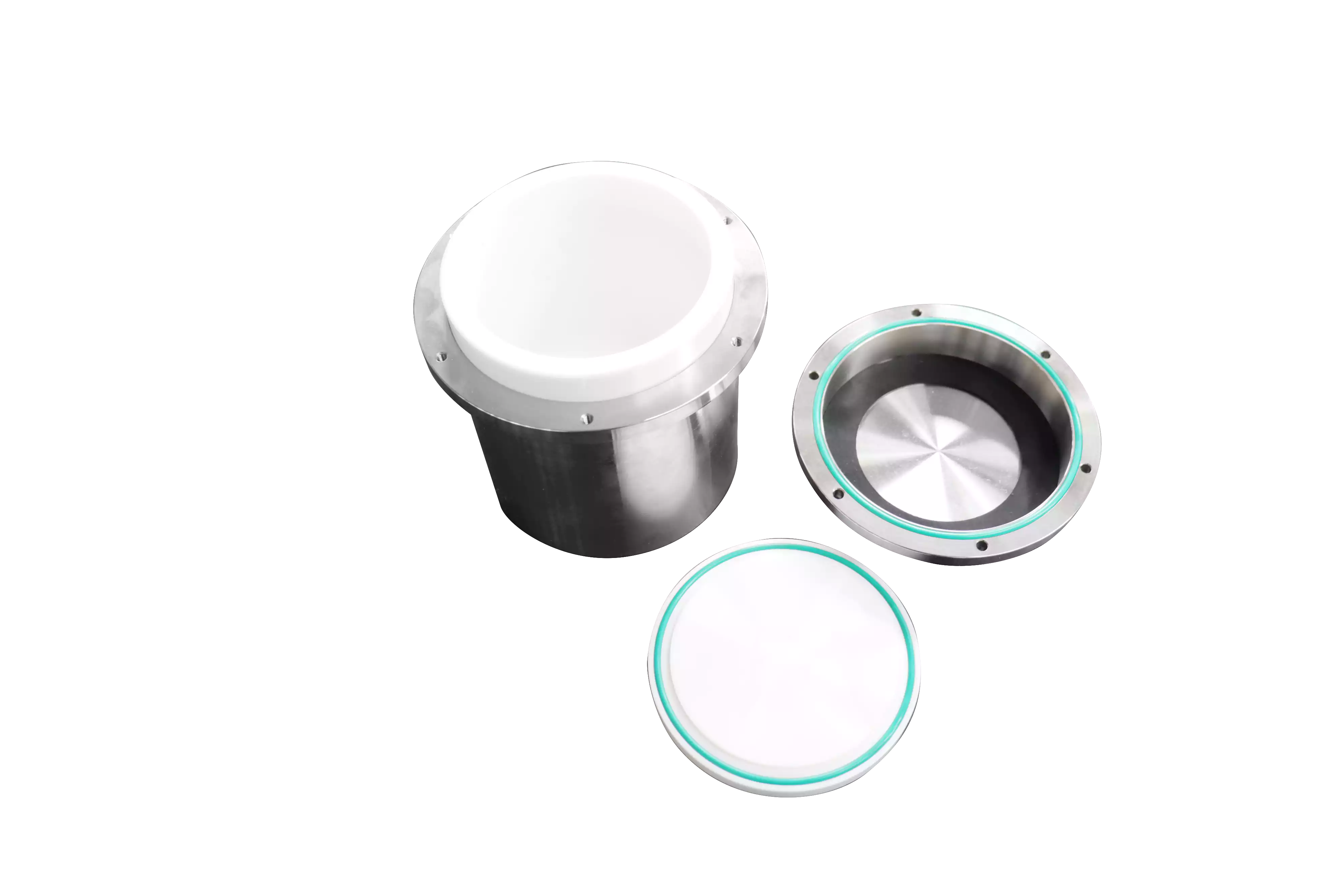
304 stainless steel lined with zirconia mill jar
The 304 stainless steel lined with zirconia mill jar is a composite construction. The stainless steel body provides mechanical support, while the zirconia lining is the surface intended to contact the charge. In a WC powder application, that distinction matters because the sample-contact surface and the structural body are not the same material. Ask for the liner specification, the joining method, the maximum operating conditions that TENCAN can confirm, and the inspection method for chips, cracks or liner separation.
Do not treat a ceramic lining as a guarantee of zero contamination. Wear still occurs, and the elements in the lining must be acceptable to the WC product specification. The practical advantage of a documented composite jar is that it gives the project a defined contact surface to test. A trial can then compare the jar lining against the chemistry and particle-size targets, inspect the lining after the run, and establish a replacement or inspection interval based on evidence rather than assumption.
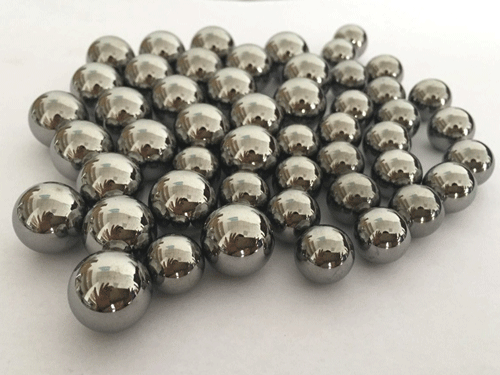
Tungsten carbide mill ball
TENCAN lists a tungsten carbide mill ball as a grinding media option. Carbide media can be relevant where a carbide contact material is compatible with the powder specification, but the decision requires more than the words tungsten carbide. Ask about binder composition, available ball sizes, surface condition, dimensional tolerance, lot traceability and the recommended matching jar. Also ask how the balls are separated from the milled product and how wear is monitored. If the specification limits cobalt, iron or another binder element, the media must be tested against that limit.
How the three items fit together
The mill, jar and media should be confirmed as a compatible assembly. A continuous mill proposal is incomplete if it does not state which jar and media are intended, how the jar is loaded and discharged, and how the contact surfaces are inspected. For a WC powder project, the first TENCAN discussion should therefore be a configuration review, not a request for a single catalogue number. The output should be a written trial plan with contact materials, operating range, sampling points and acceptance tests.
What About Non-TENCAN International Suppliers?
Non-TENCAN international suppliers can be credible candidates. The positive features worth paying for are a published contact-material matrix, sealed jar options, documented cleaning procedures, an applications laboratory that will run your powder, material certificates, local service and spare-part support, and a clear scale-up method. These are substantive advantages when they are evidenced. They are not advantages merely because a supplier is outside China, and they should not be accepted as claims without documents.
This article does not name specific non-TENCAN models because verifiable model-level data was not available for that comparison. Naming them with invented specifications would be worse than leaving them out. If you shortlist an international supplier, score it against the same table and request the same sample validation. The aim is not to prove that one country’s equipment is better; it is to match contact materials, operating mode and documentation to the WC powder. A supplier that can answer the same technical questions deserves the same consideration as TENCAN.
Sample Validation Before Purchase
Ask for a trial with your powder, not a surrogate that is convenient for the supplier. Agree the acceptance criteria before the trial begins, and decide which measurements will be made on the feed, the milled product and the worn contact surfaces. The following checks are relevant to WC powder work; select only those that match the product specification and the process stage.
- Particle-size distribution by a method agreed in advance, with the dispersion procedure recorded.
- Chemical analysis for elements that could come from the jar or media, such as iron, chromium, nickel, zirconium, tungsten and cobalt where relevant.
- Oxygen and nitrogen content if the specification is sensitive to surface chemistry or powder handling.
- X-ray diffraction for phase changes, and scanning electron microscopy for morphology and agglomeration.
- Temperature logging at defined intervals during the run, including start-up and shutdown.
- Mass loss and visual inspection of the media and jar lining, with photographs and a replacement recommendation.
- Tap density, apparent density or slurry rheology if the downstream forming step depends on flow or packing.
- Cleaning verification after the trial, including access to the discharge path and the method used to confirm removal of the previous lot.
Record the milling parameters alongside the results: feed mass, media charge, jar, speed, time, temperature and any atmosphere used. A result without those records cannot be reproduced, and a supplier cannot reasonably scale a process that was not documented. If the trial shows promise, repeat it at the upper end of the intended operating range before committing to a continuous campaign.
Procurement Checklist for a WC Milling Line
A purchase decision should rest on a process brief and a trial report, not on a general statement that a mill is suitable for carbide. The following checklist keeps the discussion concrete.
- One-page process brief with feed state, target particle size, chemistry limits and downstream step.
- Contact-surface drawing showing jar body, liner, lid, gasket and media path.
- Material certificates for the jar lining and tungsten carbide media, with lot traceability.
- Written confirmation that the proposed mill, jar and media are compatible as an assembly.
- Sealing limits and gasket compatibility, especially if an inert atmosphere or dust containment is required.
- Temperature monitoring and cooling provisions for the intended continuous duty.
- Cleaning access, inspection method and spare jar or media plan for changeover control.
- Trial plan with sampling points, acceptance tests and a defined scale-up review.
- Documentation for operation, maintenance, safety and fault recovery, in the language used by the team.
- Spare parts and service response appropriate to the site, without assuming that a local office is available.
Do not accept a generic suitable for carbide statement in place of these items. The value of a documented configuration is that it can be checked, challenged and repeated. If a supplier cannot provide the contact-material details, the trial is being asked to answer questions that should have been settled before the purchase order.
A Sensible Next Step
Prepare a representative WC powder sample, a written target specification and a short list of process constraints. Send them to TENCAN with a request to confirm a continuous planetary ball mill, jar and tungsten carbide media combination for a controlled trial. Ask for the proposed contact materials, the sampling plan and the measurements that will accompany the trial. That is a measured next step: it tests the configuration against the powder instead of assuming that a catalogue description is a process guarantee.
Sources and Further Reading
TENCAN product information used for this selection guide:
- Continuous planetary ball mill: https://www.planetaryballmill.com/planetary-ball-mills/continuous-planetary-ball-mill.html
- 304 stainless steel lined with zirconia mill jar: https://www.planetaryballmill.com/milling-accessories/jars/304-stainless-steel-lined-with-zirconia-mill-jar.html
- Tungsten carbide mill ball: https://www.planetaryballmill.com/milling-accessories/media/tungsten-carbide-mill-ball.html
This article is an application-selection discussion based on the product information above. It does not claim an independent laboratory test, a customer case study or a third-party ranking.