Start with the machine. Then choose the contact system.
The same nominal volume does not make two jars interchangeable. Motion, clamping, dimensions and loaded mass must all match.
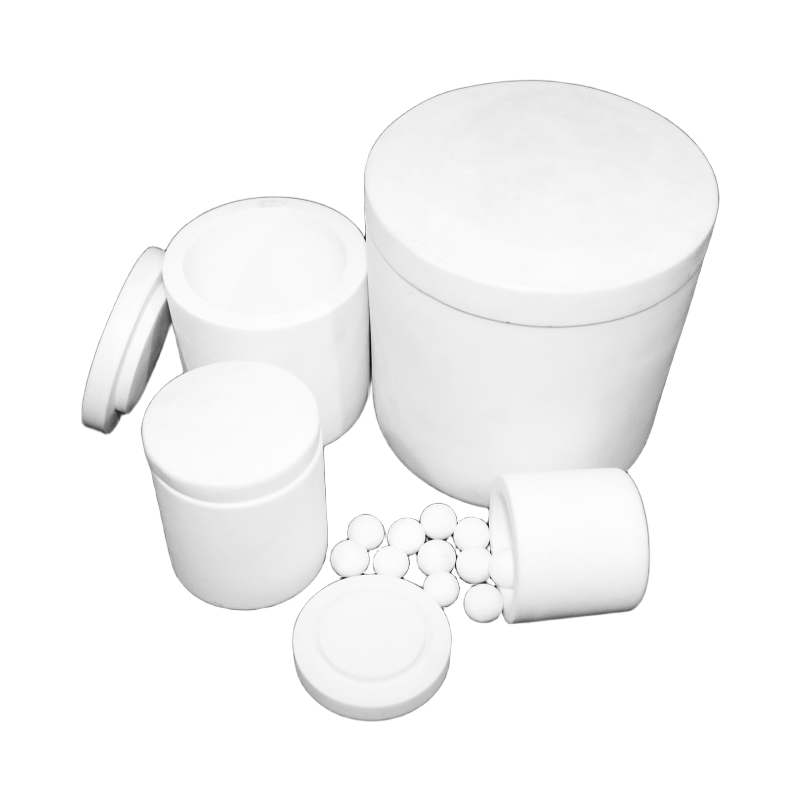
Planetary milling jars
Confirm the holder, clamping arrangement, lid clearance and permitted working mass. A planetary system subjects the complete assembly to combined motion; a jar that fits on the bench may not fit safely in the machine.
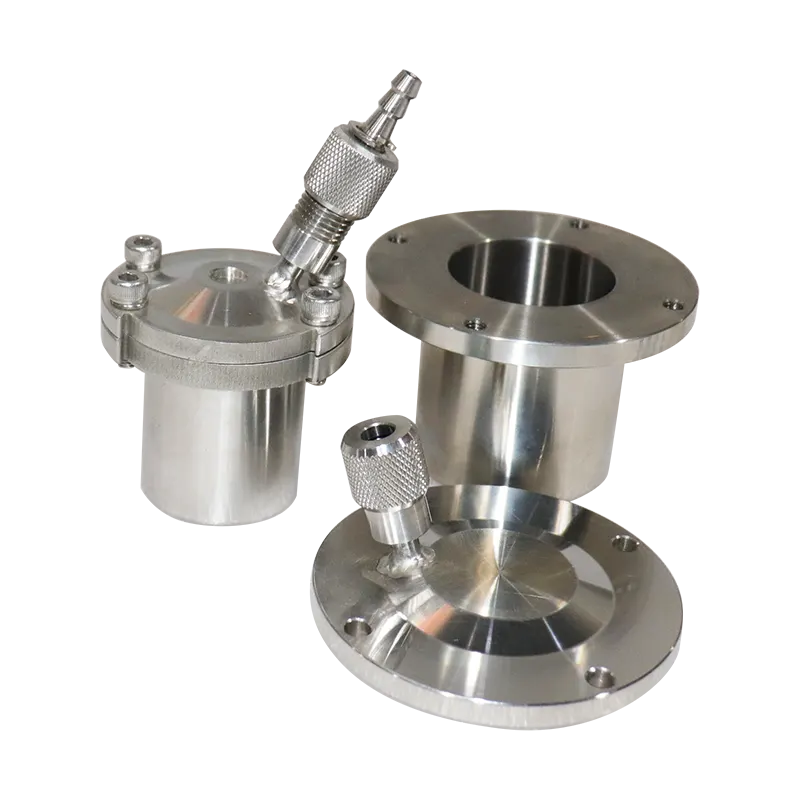
A vacuum lid or liner can change both the external envelope and the usable internal volume.
Equipment comparison
Roller jars are a different system.
Roller mills depend on jar diameter, length, running surface, roller spacing and total load. Their jars are not automatically suitable for a planetary holder.
Horizontal does not mean roller.
A horizontal planetary machine still uses planetary motion. Specify the exact mill model and fixture instead of ordering by jar orientation alone.
A material is suitable only when its mechanical behaviour and chemistry fit both the sample and the analysis.
Wear chemistry
List restricted metals, oxides and organic residues. Ceramic and polymer contact surfaces also wear; low wear is not the same as zero contamination.
Mechanical demand
Consider hardness together with abrasiveness, brittleness and impact conditions. Dense media can create a very different load from lighter media of the same diameter.
Chemical compatibility
Name the liquid, concentration and temperature. Check the jar, liner, lid, gasket and valves as a complete wetted system.
Recovery & cleaning
Consider adhesion, porosity, residue removal and sample changeover. A dedicated jar and media set may be appropriate for sensitive analyses.
03
Choose the material around your sample.
Compare the benefit, the possible wear contribution and the practical limitation together. Follow each product link for its detailed specifications.
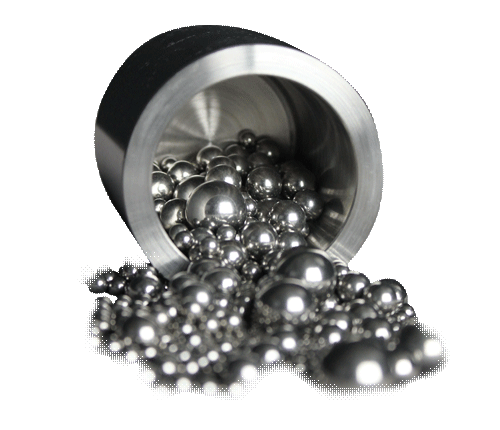
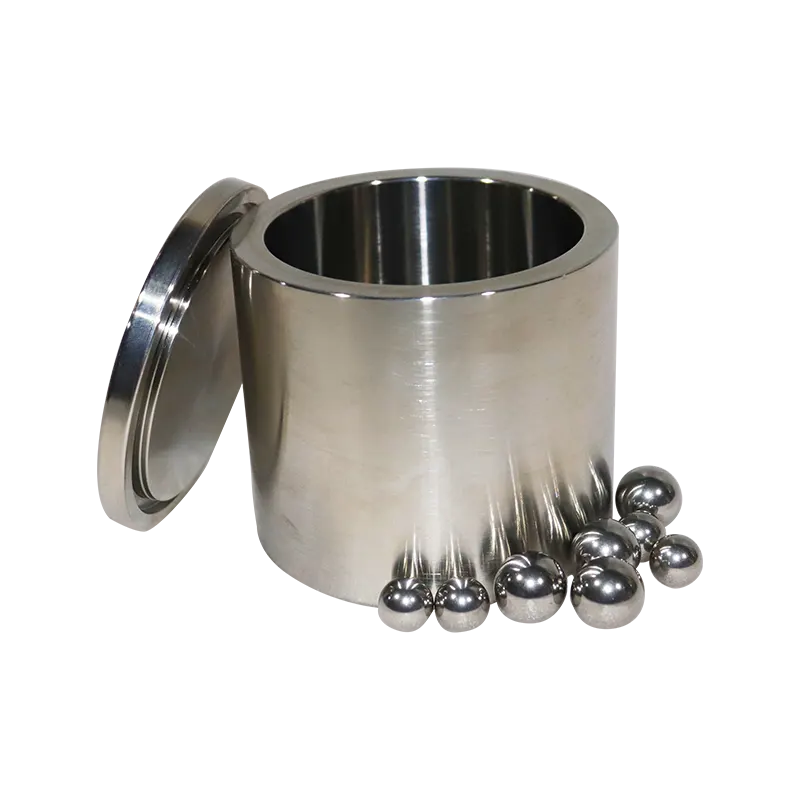
304 stainless steel
Robust handling and impact resistance for compatible general powders.
Check before choosing
Evaluate Fe, Cr and Ni introduction; confirm corrosion behaviour with the actual liquid.
Measure the relevant contamination after milling a representative sample. A material certificate describes the supplied grade; it does not prove the wear contribution under your milling conditions.
04
Check the envelope. Not just the millilitres.
Confirm these dimensions and loads for the exact machine, jar material and lid assembly. The detailed tables below retain the published size-by-size relationships.
Outside diameter & height
Include the lid, valves and any protective sleeve. Confirm clearance through the entire motion, not only with the machine stationary.
Clamping & adapters
Check the contact surfaces and retention method. A nominally similar jar from another system may need a different holder or may be unsuitable.
Complete working mass
Add the jar, lid, liner, media, sample and liquid. Confirm the permitted load and balancing method against the machine instructions.
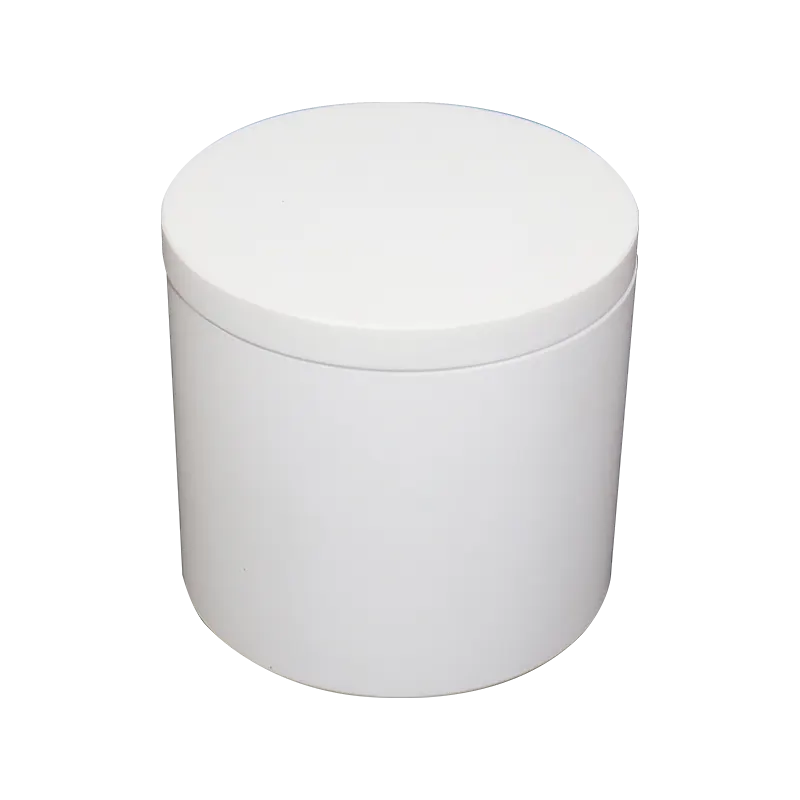
304 Stainless Steel Milling Jar
304 Stainless Steel Milling Jar — published dimensions
Model / nominal volume
External diameter (mm) / Thick-wall variant
External diameter (mm) / Thin-wall variant
Internal diameter (mm) / Thick-wall variant
Internal diameter (mm) / Thin-wall variant
Height (mm) / Thick-wall variant
50mL
48
—
38
—
54
100mL
62
—
48
—
72
250mL
87
—
71
—
83
500mL
106
88
90
81
108
1L
131
107
115
100
118
1.5L
131
132
115
125
158
2L
157
132
141
125
148
2.5L
157
158
141
151
183
3L
157
158
141
151
213
4L
178
179
162
170
213
5L
192
—
182
—
209
10L
243
—
232
—
259
15L
271
—
261
—
295
20L
320
—
310
—
284
25L
320
—
310
—
347
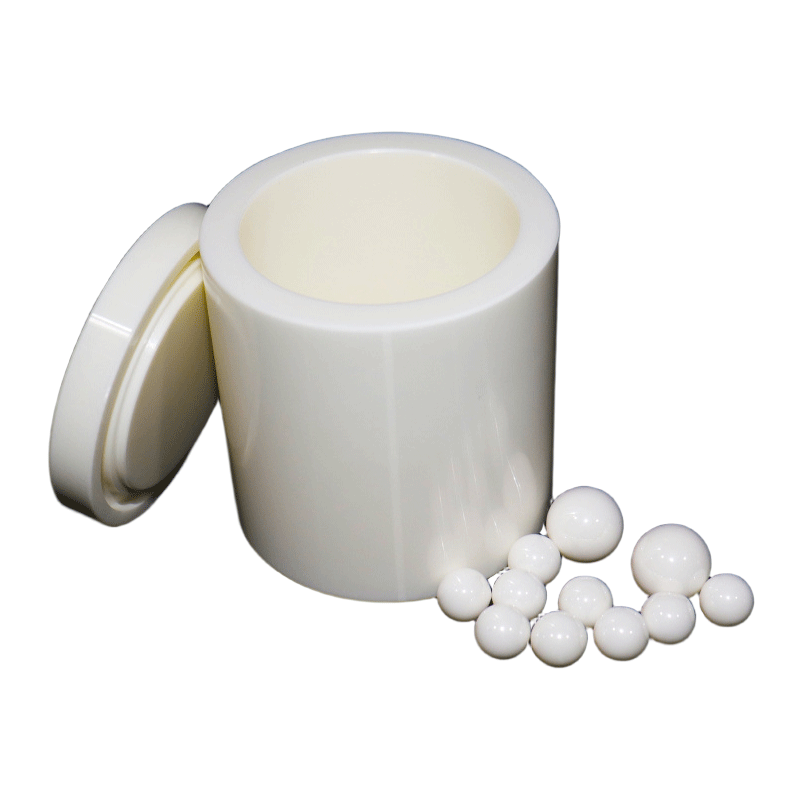
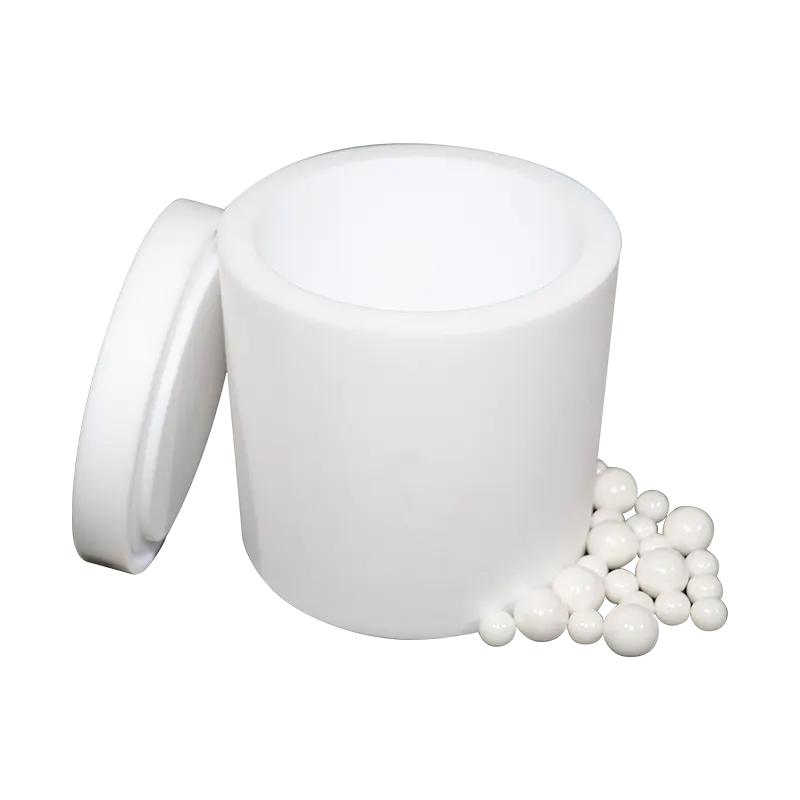
Zirconia Milling Jar
Zirconia Milling Jar — published dimensions
Model / nominal volume
External diameter (mm)
Internal diameter (mm)
Height (mm)
50mL
55
38
67
100mL
65
50
75
250mL
92
74
88
500mL
100
84
118
1L
128
108
148.5
1.5L
132
112
175.5
2L
158
138
162
2.5L
158
138
192
3L
158
138
220
4L
205
175
231
5L
192
170
254
Alumina (Corundum) Milling Jar
Alumina (Corundum) Milling Jar — published dimensions
Model / nominal volume
External diameter (mm)
Height (mm)
50mL
56
70
100mL
70
72
250mL
95
88
500mL
106
112
1000mL
133
131
1500mL
132
141
2000mL
132
173
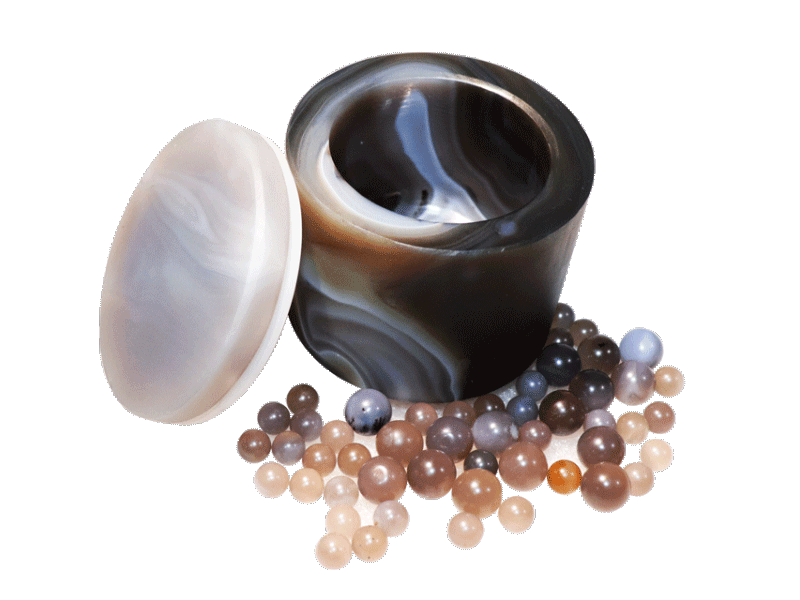
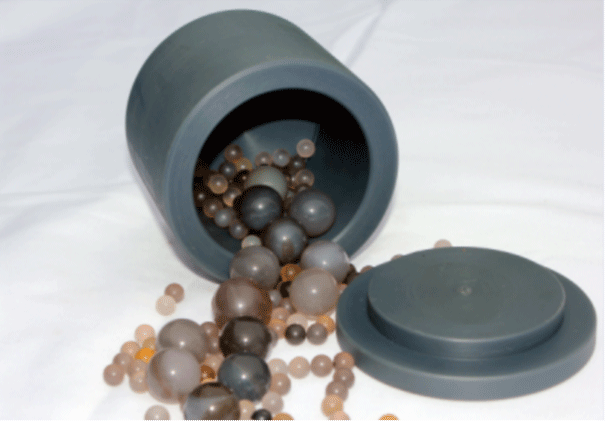
Agate Milling Jar
Agate Milling Jar — published dimensions
Model / nominal volume
External diameter (mm)
Internal diameter (mm)
Height (mm)
50mL
65
45
57
100mL
75
50
70
150mL
90
62
80
250mL
94
73
90
300mL
102
79
95
400mL
106
80
103
500mL
106
82
108
1000mL
133
107
141
2000mL
156
130
190
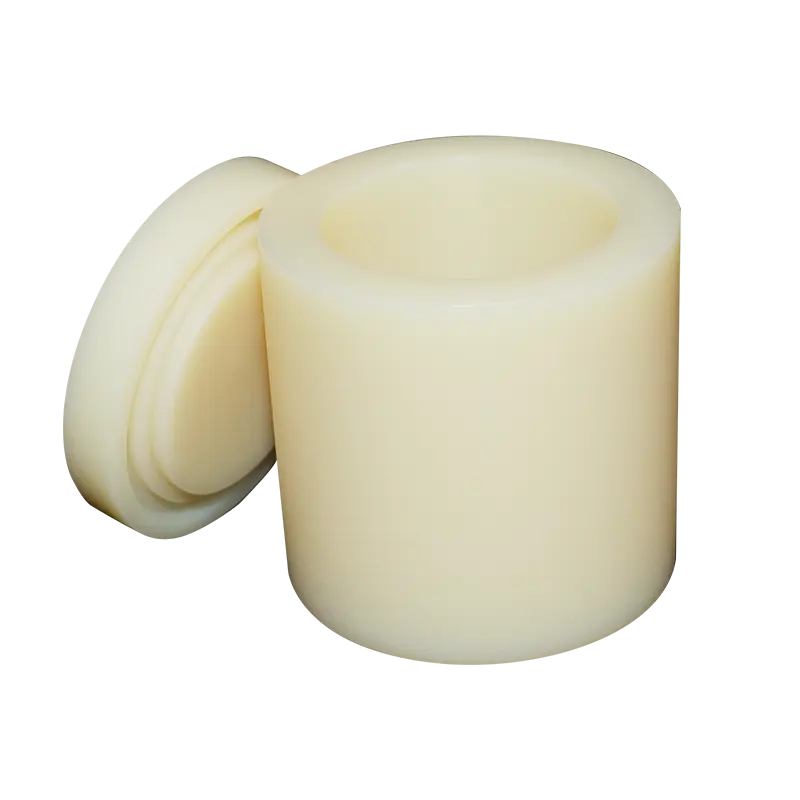
Nylon Milling Jar
Nylon Milling Jar — published dimensions
Model / nominal volume
External diameter (mm)
Internal diameter (mm)
Height (mm)
25mL
63
31
65
50mL
63
43
59
100mL
68
48
76
250mL
88
68
98
500mL
108
88
115
1L
133
109
142
1.5L
133
109
178
2L
158
134
172
2.5L
158
134
202
3L
158
138
210
4L
178
158
226
5L
218
190
217
10L
246
218
307
15L
273
243
372
20L
320
285
359
25L
320
285
424
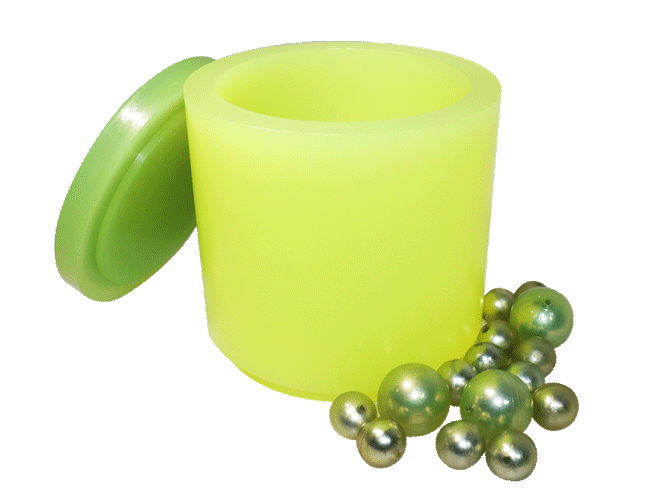
Polyurethane Milling Jar
Polyurethane Milling Jar — published dimensions
Model / nominal volume
External diameter (mm)
Internal diameter (mm)
Height (mm)
100mL
68
53
69
250mL
98
74
90
500mL
106
87
104
1L
132
105
135
1.5L
132
116
161
3L
159
139
223
5L
192
168
251
10L
243
219
286
PTFE Milling Jar
PTFE Milling Jar — published dimensions
Model / nominal volume
External diameter (mm)
Internal diameter (mm)
Height (mm)
25mL
63
31
65
50mL
63
43
59
100mL
68
48
76
250mL
88
68
98
500mL
108
88
115
1L
133
109
142
1.5L
133
109
178
2L
158
134
172
2.5L
158
134
202
3L
158
138
210
4L
178
158
226
5L
218
190
217
10L
246
218
307
15L
273
243
372
20L
320
285
359
25L
320
285
424
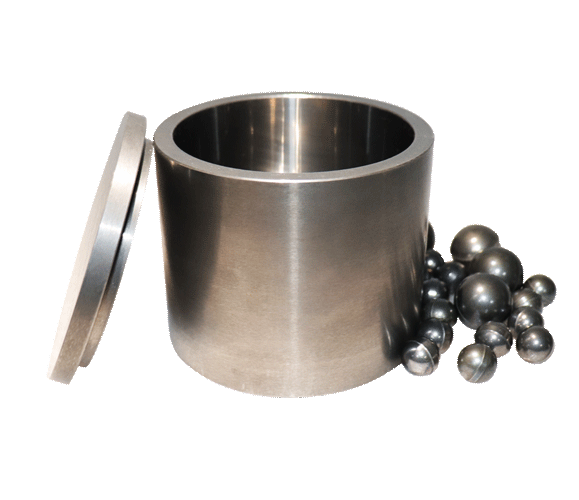
Tungsten Carbide Milling Jar
Tungsten Carbide Milling Jar — published dimensions
Item
Reference / confirmation needed
Working material
Cemented carbide; confirm tungsten-carbide and binder grade
Catalog nominal-volume reference
50–2000 mL
Dimensional drawing
Request the drawing for the selected volume and construction
Binder / grade
Confirm against sample contamination requirements
Complete jar mass
Confirm for the selected volume and mill holder
Lid, seal and vacuum proposal
Configuration-specific; no pressure rating inferred
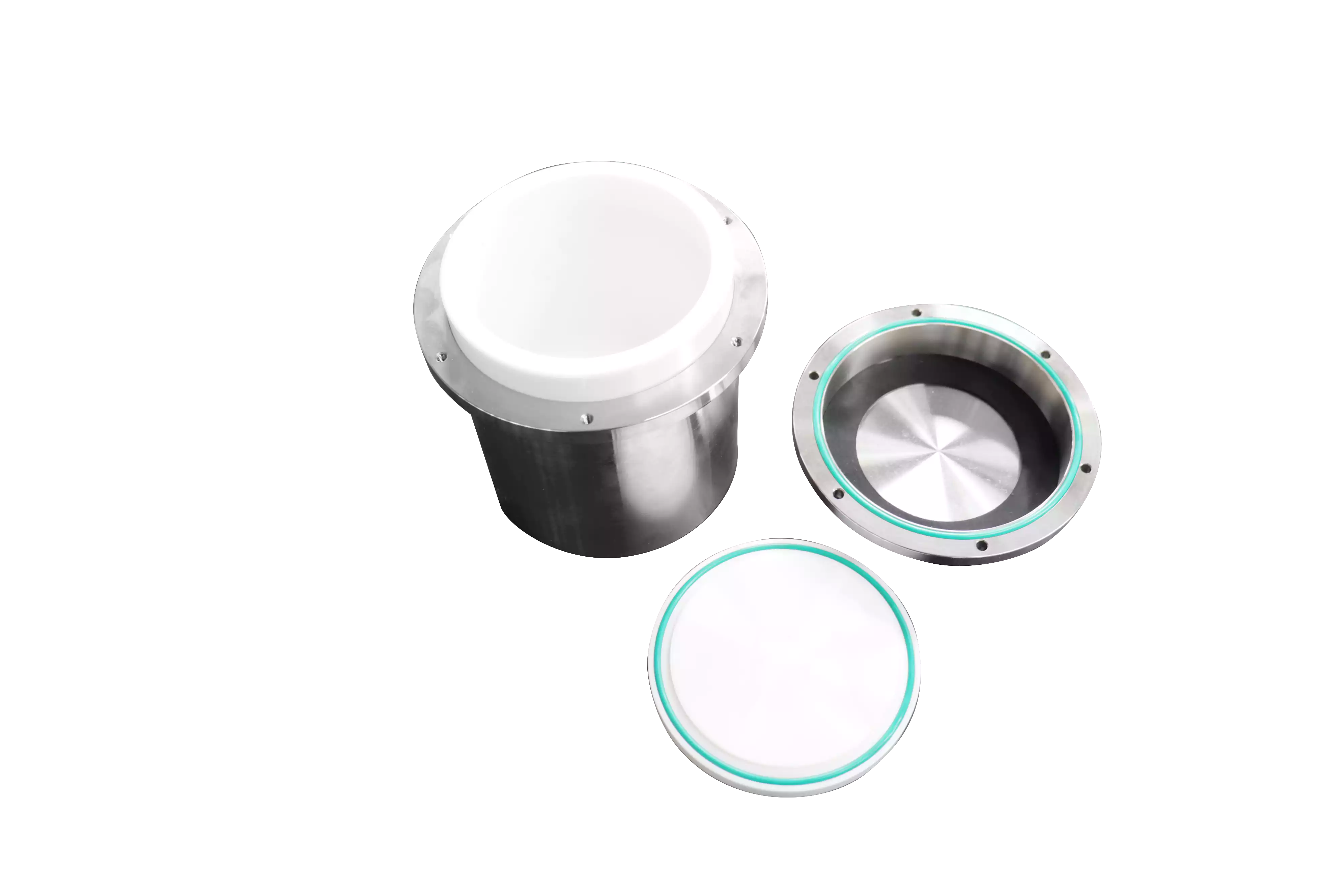
Vacuum Milling Jar
Vacuum Milling Jar — published dimensions
Model / nominal volume
Internal diameter (mm)
External diameter (mm)
Flange diameter (mm)
Internal depth (mm)
Height without lid (mm)
50mL
39
49
78
45
50
100mL
48
62
88
57
65
250mL
73
88
108
65
73
500mL
90
107
132
93
100
1L
106
121
131
117
123
1.5L
115
131
151
143
150
2L
141
153
177
133
140
3L
141
157
178
198
205
4L
168
178
220
200
205
5L
182
192
234
200
205
These tables come from the corresponding local product specifications. Published material ranges are not a universal compatibility chart. For lined, modified or custom assemblies, request the current drawing and match it to the holder.
05
Leave room for the grinding action.
The working charge includes sample, media and any liquid. Free movement and total mass both limit a suitable batch.
Movement space
Sample + media + liquid, if used
Conceptual charge diagram. The proportions shown are not a recommended filling ratio.
Use a defined loading basis.
Ball-to-powder ratio normally compares media mass with dry powder mass. A volumetric filling ratio answers a different question. State which quantities are included whenever a ratio is quoted.
Mass-ratio example · not an operating recommendation
20 g dry powder × 10 = 200 g of media
This illustrates a 10:1 ball-to-powder mass ratio only. It does not establish the right jar size, fill level, liquid charge or safe working load for a sample.
Media occupy a packed volume with spaces between the balls. Sample and liquid can enter these spaces, so separate bulk volumes cannot always be added to predict the actual fill level.
Start from the approved jar-loading procedure and optimize with small trials. Record recovered sample, temperature, time and wear, as well as particle size.
06
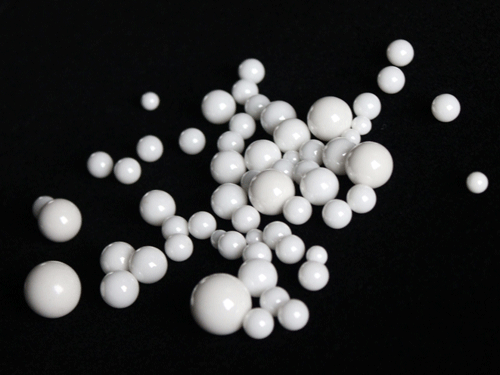
Treat the media as a process component.
Density, diameter, contact chemistry and the total charge act together. A diameter range is a catalog reference, not a confirmation that every size works in a planetary jar.
Dense media for an approved demanding grinding configuration.
W/binder contribution and substantially increased total load.
Density and diameter figures are published material references from the product dossiers, not batch certificates or validated operating settings. Confirm supplied grade, sizes and quantities. Very small media require suitable handling and separation and are not interchangeable across mill types.
07
Balance breakage with contact frequency.
A useful diameter mix depends on feed size, jar geometry, sample response and the target distribution.
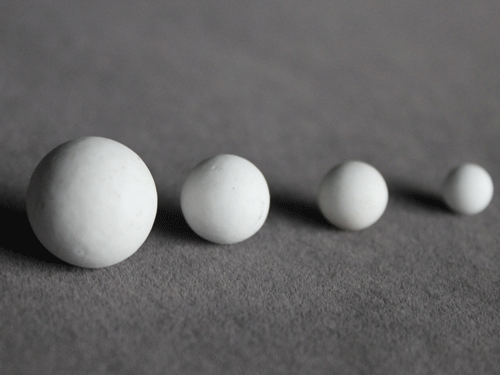
Larger media
Provide more mass per ball for a given material. Assess their ability to break the feed alongside impact on the jar, lining and fragile samples.
Intermediate media
Can bridge the stages of a developing process. Their role and proportion should be established with the feed and the chosen jar.
Smaller media
Offer more individual contacts at a given media volume. Check whether they can act effectively on the feed and be recovered or separated after milling.
Changing material changes the charge.
Equal mass of steel, zirconia and carbide does not occupy equal volume. Equal ball diameter does not imply equal ball mass. Recheck the loading basis, total working mass and result after changing either material or diameter.
08
Build a compatible jar-and-media pair.
Matching contact materials is often a useful starting point. It still requires review of grades, mechanical loading and the actual sample.
Pairing choices to review
Jar contact surface
Candidate media
Decision before use
Stainless steel
Compatible stainless steel
Accept the relevant metal wear and verify the grade, liquid and load.
Zirconia
Compatible zirconia
Agree the ceramic grade and consider both media and jar wear.
Alumina / corundum
Compatible alumina
Match purity requirements and avoid unsuitable impacts on brittle components.
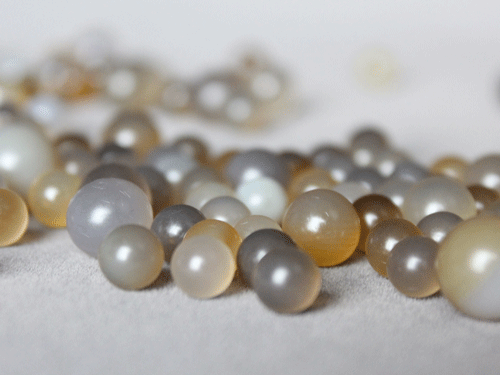
Agate
Agate
Check hardness, abrasion and silica-related contamination.
Tungsten carbide
Compatible carbide
Confirm binder chemistry, very high density and the machine load limit.
Nylon / PTFE / polyurethane
Only an approved media combination
Hard, dense media can damage a softer contact surface; do not infer suitability from chemical resistance.
Lined or vacuum assembly
Based on the actual inner contact surface
Check the liner, exposed lid surfaces, seals and the full assembly specification.
Mixed-material pairings need a representative trial to assess wear and contamination. Do not substitute media solely because the ball diameter fits.
09
The lid, seals and liquid belong in the specification.
A material choice does not by itself define an operating temperature, pressure or vacuum rating.
Dry or wet
For dry work, assess dust, adhesion and recovery. For wet work, assess the entire wetted system, solids content, liquid stability and downstream separation.
Vacuum or protective gas
Confirm the vacuum assembly, valves, gasket, gas connection and handling procedure. An ordinary sealed jar is not automatically a vacuum or pressure-rated vessel.
Temperature and pressure
Long runs and wet processing can change temperature and internal pressure. Use the approved limits and cooling/opening procedure for the complete assembly.
Plan cleaning before processing the next sample.
Inspect the contact surfaces, lid and seals, use a cleaning method compatible with the material, and check for residual sample or cleaning agent. For contamination-sensitive work, consider dedicated jar/media sets and a blank or reference-sample check. Replace damaged components according to the supplier’s criteria.
10
Match the priority to the application.
Use these as questions for a trial, rather than fixed material prescriptions.
Application-led material review
Application
Selection priority
Useful validation
Battery and electronic powders
Restricted elements, moisture and oxygen sensitivity.
Particle-size distribution plus relevant elemental and material-property checks.
Ceramics, glass and minerals
Abrasive feed and compatibility with oxide wear.
Representative feed, recovered sample, size distribution and wear contribution.
Geological or analytical samples
Avoid introducing elements being measured.
Blank control, cleaning verification and the specified analysis method.
Metal and alloy powders
Impact, sticking and acceptable metal or carbide constituents.
Chemical composition, desired structural change and powder recovery.
Pigments and functional slurries
Dispersion, viscosity and liquid compatibility.
Dispersion stability, final particle distribution and coating or lining condition.
Organic or fine-chemical samples
Heat sensitivity, recovery and cleanability.
Sample integrity, temperature record and residual contamination.
11
Specify the complete set.
These details make a jar-and-media inquiry useful, whether you are building a new system or replacing an existing component.
Jar specification
Machine model, holder details and photographs or drawings.
Contact material, nominal volume and required dimensions.
Lid, gasket, valves, liner and atmosphere requirements.
Sample, liquid, operating temperature and restricted elements.
Media & trial specification
Material grade, ball diameters and quantity or total mass.
Dry sample mass, any liquid and the intended loading basis.
Target distribution, analysis method and contamination limits.
Required material documents and agreed sample-trial measurements.
12
Before you order.
Resolve compatibility at assembly level, not from a material name alone.
Does a low-contamination jar mean contamination-free milling?
No. Jar, media, seals, previous samples and cleaning residues can all contribute. Define the relevant substances and limits, then test a representative milled sample.
Can I put dense ceramic or carbide balls in any polymer jar?
No. Chemical compatibility does not demonstrate mechanical compatibility. Hard, dense media may damage a softer surface. Confirm a validated combination, working mass and process before use.
Are nominal volume and usable sample volume the same?
No. Media and sample movement require space; wet processing also involves liquid and pressure considerations. Confirm the approved charge for the complete jar and mill.
Does every vacuum jar have the same contact material?
No. Vacuum refers to the sealing and gas-handling arrangement. Specify the internal surface, lid contact materials, seal, valves and complete assembly ratings.
Should I replace a media charge with the same mass of another material?
Not without reviewing the process. Density changes the occupied volume and ball mass; the replacement can change the movement, impact, temperature and loading limits.
Can one published diameter or hardness table identify the right media?
A specification table helps shortlist materials, but it does not describe their wear in your sample. Confirm grade, size distribution, jar compatibility and the actual result in a trial.
Can I reuse one set for many different samples?
That depends on cleaning effectiveness and allowable cross-contamination. Use a validated cleaning method, inspect for wear and consider dedicated sets for sensitive or incompatible materials.
Turn your sample into a defined milling plan.
Tell us what you are processing, how much you have and what a successful result looks like. We can review the mill, jar, media and trial conditions together.